21 Insights to Deal with Stress, Anxiety, Depression, and Despair
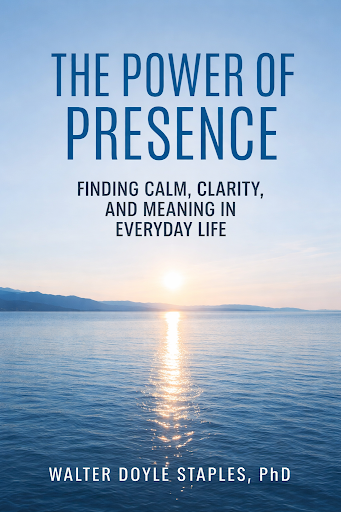
THE BOOK, THE POWER OF PRESENCE

Over several millennia, we have seen how dysfunctional
human beings can be. With “ego” raging at the core, we see greed,
anger, pride, cruelty, violence, hatred, revenge, and deceit.
A complete list would undoubtedly fill several pages of text.
The challenge? It’s to discover a proven way to reverse
the trend. The Power of Presence is this way.
(1) Presence begins with radical honesty.
Healing starts the moment a person stops pretending that everything is fine. Various depressive disorders often involve cycles of intense energy, impulsivity, emotional highs, crushing lows, confusion, shame, and exhaustion. The first act of strength is stating what is real: “I am struggling, and I need help.” Presence asks us to stand still long enough to face the truth without denial. This is not weakness, it is courage. Before treatment plans, medications, counselling or support systems can work effectively, a person must first acknowledge their inner reality. Awareness is the doorway to self-recovery.
(2) You must become an active participant in your own healing.
No therapist, psychiatrist, spouse, parent, or friend can do your inner work for you. Others can guide, support and protect, but they cannot choose for you. Presence teaches personal responsibility and not blame but ownership. Healing begins when a person says, “I will take one step forward today.” That may be making a doctor’s appointment, taking prescribed medication as directed, going for a walk, journaling your emotions, or simply getting out of bed. Recovery is built through repeated acts of self-help and participation in life.
(3) The mind must be slowed before it can be understood.
Depressive disorders can create mental acceleration: racing thoughts; sleeplessness; impulsive decisions; emotional flooding. Presence is the deliberate practice of slowing down the internal storm. Deep breathing, silence, sitting outdoors, reducing stimulation, and intentional pauses throughout the day help interrupt emotional dysfunction. Calm does not arrive by force, it arrives by creating space. Stillness allows clarity. When the mind slows down, good choices appear.
(4) Routine is not boring, it is medicine.
Stable rhythms protect unstable moods. Waking at consistent times, sleeping regularly, cooking and eating properly, exercising gently, reducing alcohol, and limiting chaos are deeply therapeutic practices. Presence respects structure. Depression often worsens when life becomes irregular and over-stimulated. Predictable routines help regulate emotional extremes. Discipline is not punishment, it is self-protection.
(5) Sleep is sacred.
Few things destabilize depression more quickly than sleep deprivation. Presence treats sleep as a priority, not an after-thought. Protecting bedtime routines, reducing screen exposure at night, limiting stimulants, and respecting the body’s need for restoration are essential. Sleep is emotional first aid. Exhaustion amplifies anxiety, depression, irritability, and manic symptoms. Rest is not laziness, it is recovery.
(6) Learn your personal warning signs.
Presence means noticing patterns before they become crises. Many people with bipolar disorder, for example, have early signals: talking faster; spending impulsively; feeling invincible; increased irritability; social withdrawal; hopeless thoughts; oversleeping; insomnia; or unusual bursts of energy. Keeping track of these signals creates power. Awareness allows earlier intervention. The goal is not perfection, but the beginning of prevention.
(7) Medication can be an ally, not an enemy.
Many people resist treatment because medication feels like weakness or loss of identity. Presence reframes this. If the brain needs support, receiving that support is wisdom. Just as a diabetic may need insulin, someone with depression may need medication stabilization. Pride is often dangerous. Medication is not the whole answer, but it creates the foundation for many upon which further healing can take place.
(8) Counseling is strength, not failure.
The mind needs trained support just as the body does. Therapy helps a person understand emotional triggers, trauma, grief, fear, relationship patterns, and destructive habits. Presence encourages openness rather than isolation. A counselor or therapist provides perspective when emotions distort reality. Healing accelerates when someone trustworthy helps you see what you cannot see yourself.
(9) Thoughts are not always facts.
Depression can whisper lies: “You are worthless. Nothing will improve. Everyone would be better without you.” Mania can also deceive: “You are unstoppable. Rules do not apply to you. Risk is exciting.” Presence teaches observation without automatic belief. Thoughts must be examined, not obeyed. Asking, “Is this true?” creates distance between emotion and action. That space can save your life.
(10) The body carries the mind.
Physical movement changes mental chemistry. Walking, stretching, fresh air, sunlight, hydration, and proper nutrition are not simplistic advice, they are biological support systems. Presence is embodied. Many emotional storms worsen when the body is neglected. Exercise does not solve depression, but it helps regulate mood, reduce anxiety, improve sleep, and restore dignity through action.
(11) Isolation feeds illness, connection interrupts it.
Depression often pushes people into secrecy and withdrawal. Shame convinces them they are a burden to others. Presence rejects this lie. Safe connection matters: trusted family, friends, support groups, faith communities, mentors, or compassionate professionals. Healing grows in relationship. Speaking honestly with even one safe person can weaken despair’s grip.
(12) Shame must be challenged directly.
Many people inwardly believe their diagnosis makes them broken, weak, or less worthy. Presence insists otherwise. Mental illness is not moral failure. Shame keeps people silent and untreated. Compassion begins when a person learns to speak to themselves with dignity rather than contempt. Healing accelerates when self-hatred is replaced by authentic self-respect.
(13) Forgiveness is part of recovery.
Depression may leave behind damaged relationships, financial mistakes, reckless decisions, and deep regret. Presence does not excuse harmful behavior, but it refuses permanent self-condemnation. Responsibility and forgiveness must work together. Apology matters. Repair matters. Learning matters. But endless self-punishment does not heal, it paralyzes. Forgiveness opens the door to a new day.
(14) Limit over-stimulation and emotional noise.
Too much social media, constant comparison, non-stop news, unhealthy relationships, and chaotic environments intensify mental instability. Presence asks: What is feeding peace, and what is feeding disorder? Protecting mental space is wisdom. Boundaries are medicine. Not every invitation needs to be accepted. Not every argument deserves your active participation. Peace often requires subtraction.
(15) Meaning protects the mind.
People suffer more deeply when life feels empty. Presence reconnects a person to purpose: faith, creativity, learning, family, beauty, and contribution. A meaningful life is stabilizing. When someone remembers why they are here, endurance becomes possible. Purpose does not eliminate pain, but it gives it context.
(16) Spiritual stillness can be profoundly healing.
Prayer, meditation, reflection, gratitude, and silence can restore perspective and over-ride symptoms. Presence is not merely psychological, it is also spiritual. Many people find strength in surrendering what they cannot control and reconnecting with something greater than themselves whether service, love, God, or sacred purpose. Stillness reminds us we are more than our self-diagnosis.
(17) Journaling creates emotional clarity.
Writing about thoughts, moods, triggers, gratitude, and reflections helps transform confusion into understanding. Presence becomes visible when emotions are named on paper. Journaling helps identify cycles and tracks progress. It also gives evidence during dark times that difficult feelings are only temporary. Reflection turns past experience into current wisdom.
(18) Crisis plans should be made before crisis arrives.
Presence includes preparation. A person with depression benefits greatly from a written action plan: Who to call; warning signs to watch; medications to review; doctors to contact; emergency steps if suicidal thoughts intensify; and financial or practical safeguards during serious depressive episodes. Careful planning protects the future self when judgment is impaired.
(19) Relapses are temporary setbacks, not final defeats.
Recovery is rarely linear. There may be difficult seasons, medication adjustments, emotional crashes, and painful returns of symptoms. Presence refuses hopelessness. Falling does not mean failure. It means the work continues. The question is not “Why did this happen again?” but “What is this teaching me now?” Persistence matters more than perfection.
(20) Service helps restore identity.
Helping others through careful listening, mentoring, or simple acts of kindness reminds a person that they still matter. Depression can shrink identity until someone sees only illness. Presence opens the mind and expands identity again. You are not a diagnosis. You are still a contributor, a creator, a friend, a parent, a leader, indeed, a human being with value and unrealized potential.
(21) Hope is a survival skill, not just a temporary feeling.
Presence teaches that healing often begins before hope feels emotionally real. Some days, hope is simply taking medication. Some days, it is attending counselling. Some days, it is surviving through the night. The discipline of hope means choosing life before you feel challenged and inspired by it. Small, faithful actions create the conditions where peace returns. Calm, clarity, and meaning are not fantasies, they are built one present moment at a time.
Thank you.


Comments